



In a food plant, the floor is part of food safety. A cracked floor or open joints collect water, grease and residue where bacteria grow. And a slippery floor puts your people at risk every day.
At Constructora Alcaraz we’ve coated many floors in food production plants. Every plant is different, so we start by understanding your process, then choose the system that best fits your needs.
What a food plant floor faces
- Water and daily washdowns, often with hot water or steam.
- Thermal shock between ovens, cooking areas, coolers and freezers.
- Food acids and fats: dairy, sugars, juices, blood, oils and vinegars.
- Strong, frequent cleaning and sanitizing chemicals.
- Heavy traffic from forklifts, pallet jacks and stainless steel carts.
- Food safety audits from health authorities and customers.
Seamless surfaces that clean easily
Resinous floors form a continuous surface with no pores or joints where bacteria can hide. Sanitary cove base (the curve between floor and wall) removes hard-to-clean corners. We also build in the right slope to drains so water doesn’t pool. This helps you meet the hygiene practices required by health regulations and your customers’ audits.
Antimicrobial protection
Some of the systems we install include antimicrobial additives built into the coating. These additives help inhibit the growth of bacteria, fungi and mold on the floor surface. They complement your cleaning and sanitation program rather than replace it, adding an extra layer of protection in your most critical areas.
Fast-cure coatings: as little as 40 minutes
We know every hour of downtime counts in a food plant. That’s why we work with fast-cure systems; some of our coatings cure in as little as 40 minutes, depending on the product and site conditions. That lets us work between shifts, overnight or on weekends and get the area back into production much sooner. It all depends on the client’s needs: sometimes speed is the priority, sometimes maximum durability.
The right system for each area
- Wet processing areas and hot washdowns: urethane cement, which handles thermal shock, moisture and food acids.
- Ovens, fryers and cooking zones: thicker urethane cement for high temperatures.
- Coolers and freezers: systems that hold up at low temperatures.
- Packaging and dry storage: self-leveling or multi-coat epoxy, smooth and easy to clean.
- Aisles, ramps and wet zones: textured anti-slip finishes.
- QC labs and locker rooms: easy-clean sanitary coatings.
Slip resistance
We tune the floor texture to each area: more grip where there’s water, grease or slope, and a finer texture where easy cleaning matters most. That’s how we balance safety and hygiene.
Industries we serve
Dairy, meat and poultry, beverages and juices, tequila and distilleries, bakeries, confectionery, fruit and vegetable packers, commercial kitchens and pet food.
We install and repair without stopping your operation
We phase the work, schedule it during planned shutdowns (such as December or Holy Week) or between shifts. If your floor is already damaged, we also do high-performance concrete repair to fix the problem fast. See also the benefits of epoxy floors.
Seamless floors we’ve installed
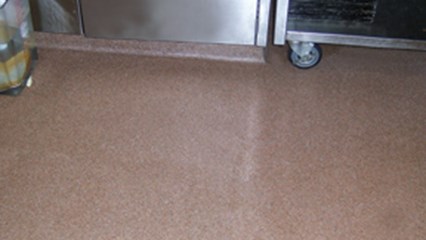
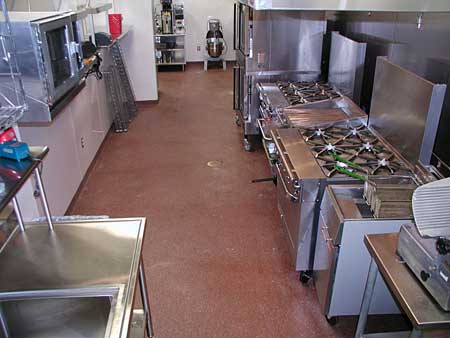
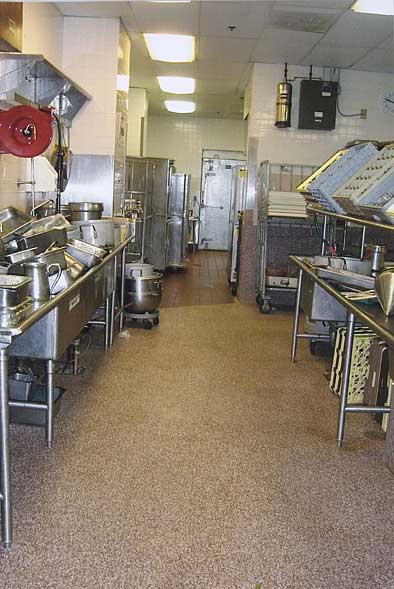
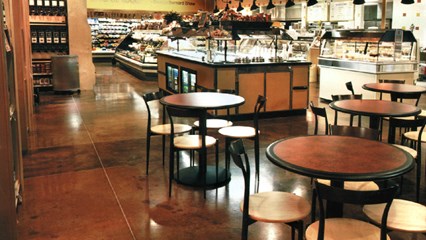
Seamless floor systems in a grocery store bakery department, a hotel kitchen and food service areas: continuous surfaces that wash down easily and stand up to daily traffic.
Why Constructora Alcaraz?
Our team brings together more than 30 years in concrete and resinous floors with more than 40 years in industrial, commercial and residential construction in Mexico and the United States, including many projects in food plants. We assess your situation and recommend the best product for your process.
Request a site visit
Tell us about your plant and send photos of the area:
- Phone & WhatsApp (Mexico): +52 479 117 7119
- Phone (US): +1 904 788 9097
- Email: ben@constructoraalcaraz.com


Leave a Reply